
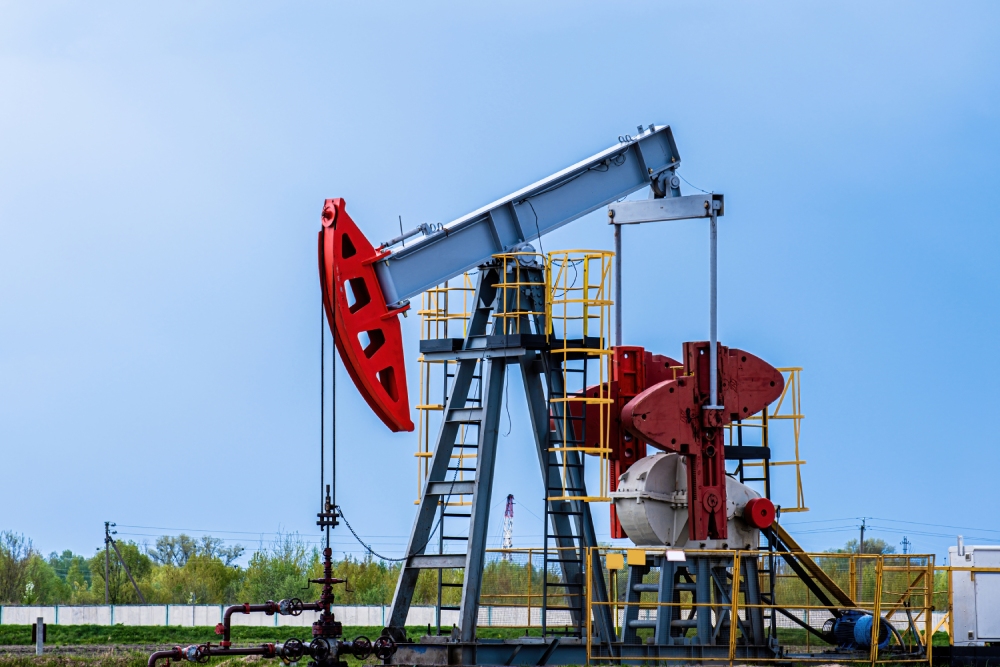
The upstream sector covers exploration and production, locating oil and gas fields, drilling, and resource extraction. It requires advanced surveys, drilling technology, and strict compliance with safety and environmental standards, as operations often occur in complex, high-risk environments.
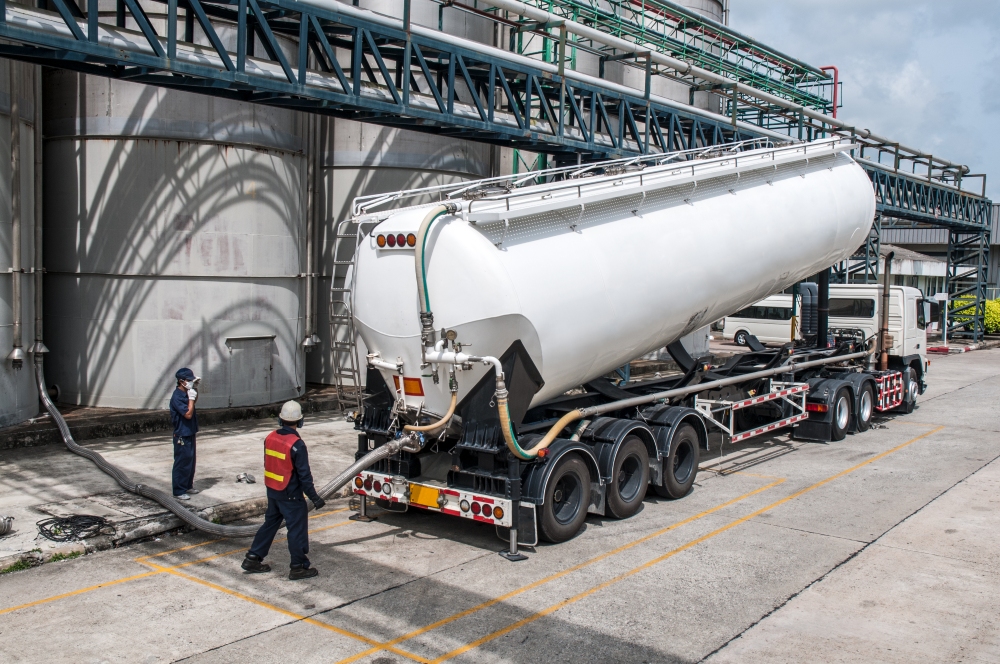
Midstream involves transporting, storing, and marketing crude oil, natural gas, and refined products via pipelines, tankers, rail, and trucks. It ensures steady supply through storage facilities, emphasizing efficiency, safety, and regulatory compliance to maintain uninterrupted global energy distribution.
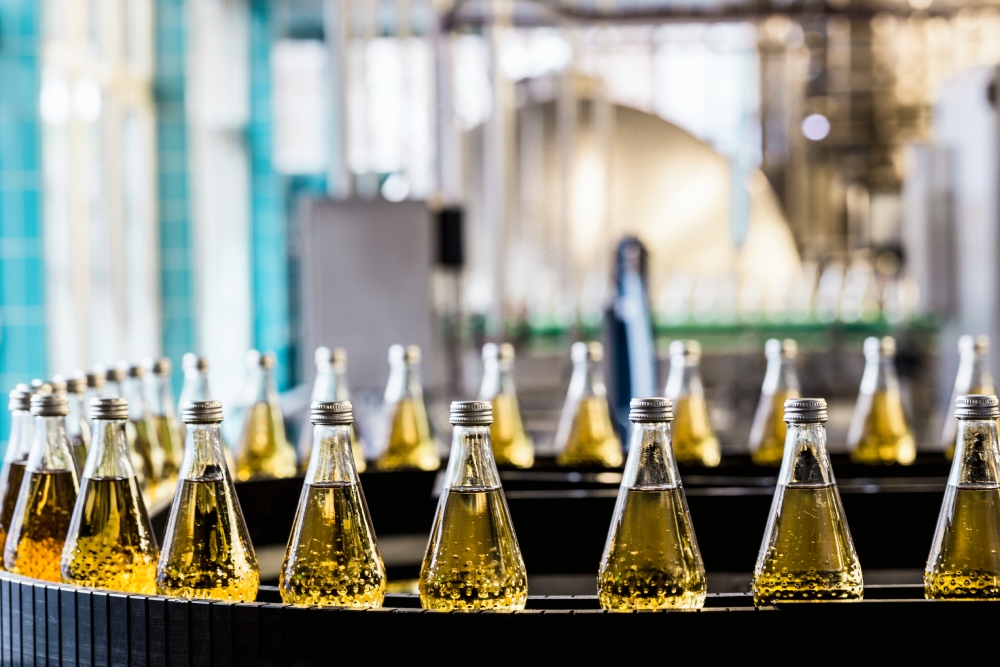
The downstream sector refines crude oil and processes natural gas into fuels, lubricants, and petrochemicals. It includes distribution and sales, converting hydrocarbons into products like gasoline and chemicals. Efficiency, precision, and adherence to environmental standards are critical to meeting global energy and manufacturing needs.
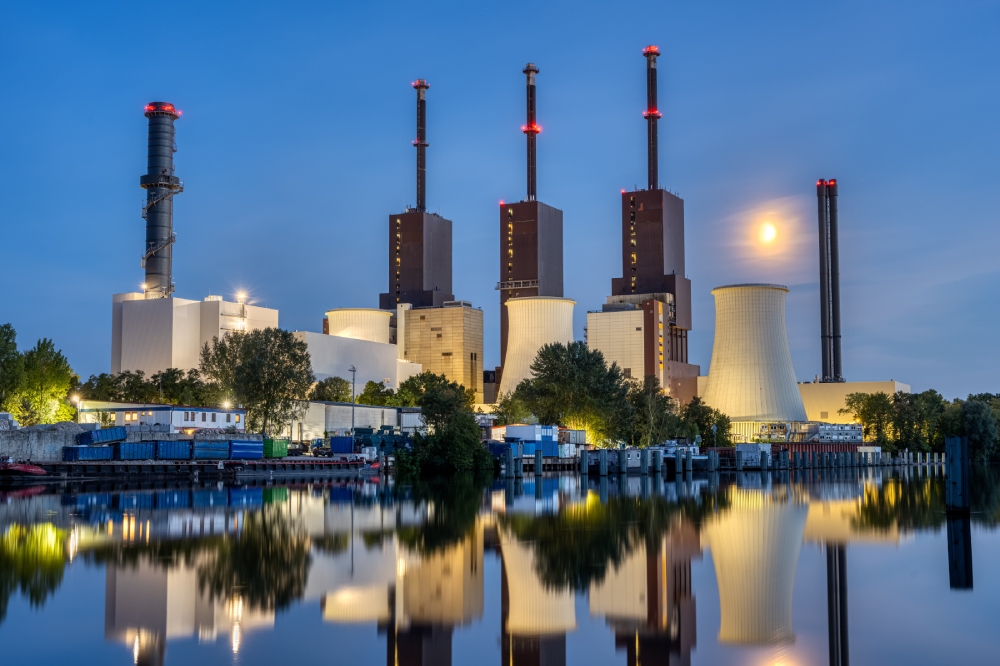
Conventional power plants generate electricity using gas, steam, or diesel, providing base-load energy and grid stability. Gas and steam turbines convert heat to electricity, while diesel offers backup flexibility. Despite renewable growth, these plants remain vital for reliability, scalability, and peak-demand performance.

Renewable projects harness solar and wind resources for clean electricity. Solar panels and wind turbines deliver scalable, cost-effective solutions that reduce carbon emissions and support global energy transition. They are increasingly efficient and essential to long-term energy security and sustainable infrastructure development worldwide.

T&D systems deliver electricity from power plants to end-users through high-voltage transmission and lower-voltage distribution networks. They ensure safe, reliable, and efficient energy flow. With smart grid upgrades, T&D now features automation, real-time monitoring, fault detection, and improved energy efficiency across networks.
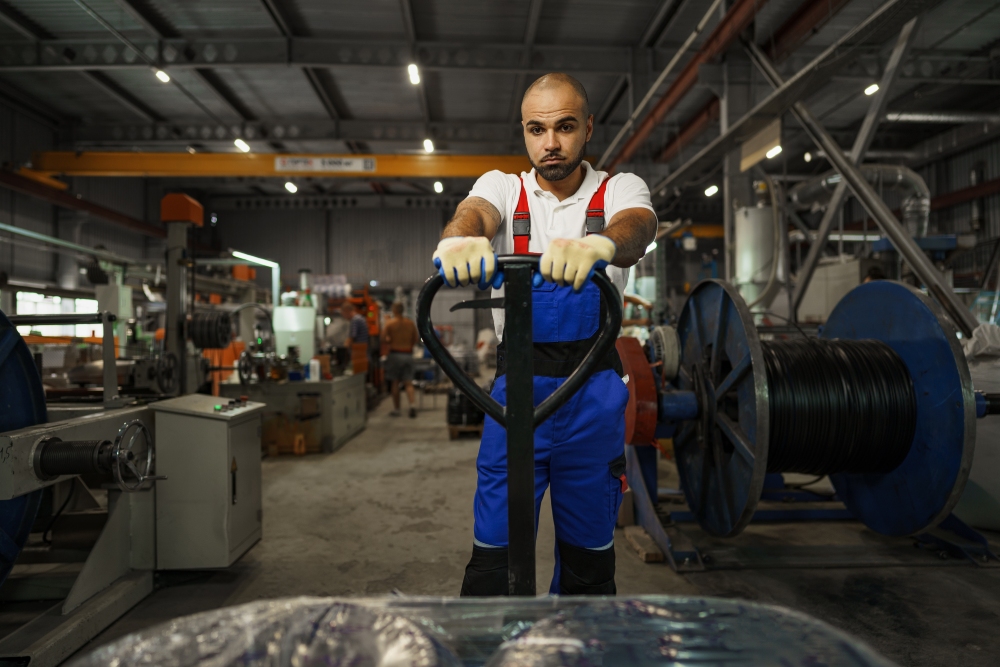
Chemical processing plants transform raw materials into products essential for industry, including fuels, intermediates, and specialty chemicals. Modern plants emphasize energy efficiency, automation, and environmental compliance. Upgraded systems improve productivity, reduce waste, and enhance sustainability while meeting global industrial and consumer needs.

Fertilizer plants supply nitrogen, phosphorus, and potassium-based nutrients for agriculture, boosting yields and soil health. Polymer manufacturing produces plastics, resins, and rubbers for diverse applications. Both industries rely on advanced processing technologies, energy efficiency, and environmental controls to ensure sustainable, high-quality production.
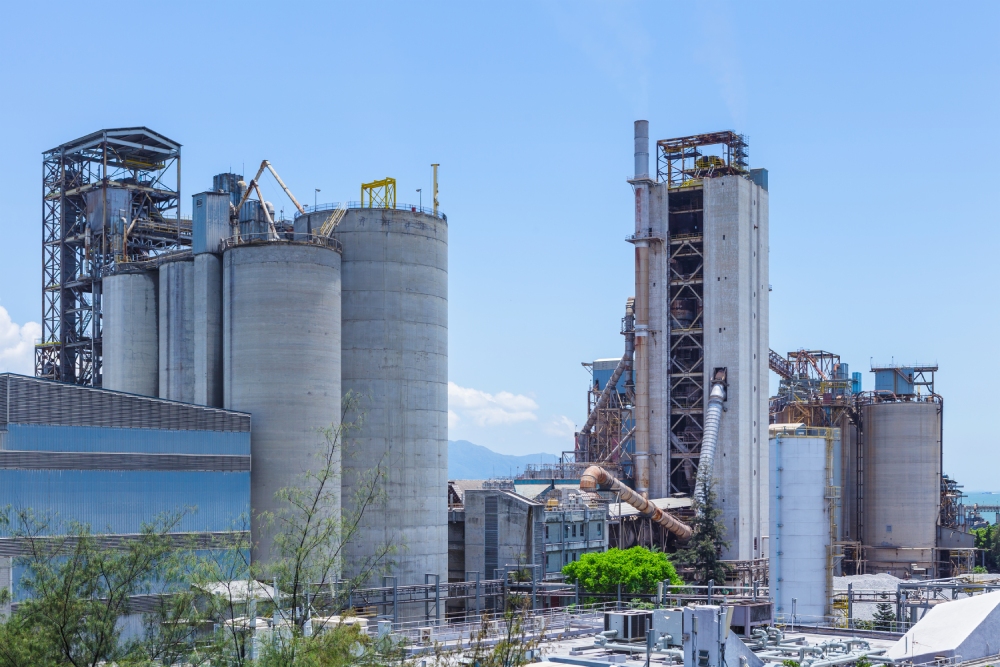
Cement, steel, and metal industries are the backbone of infrastructure and industrial growth. They produce essential construction and structural materials, relying on high-temperature processes and advanced engineering. Increasingly, they adopt sustainable practices to cut emissions, enhance efficiency, and remain competitive globally.

This sector designs and manufactures heavy-duty equipment like cranes, turbines, frames, and vessels for construction, energy, and mining. Precision engineering, machining, and welding ensure quality and safety. Fabricators emphasize strict standards, customization, and innovation to meet diverse industrial and infrastructure project needs.
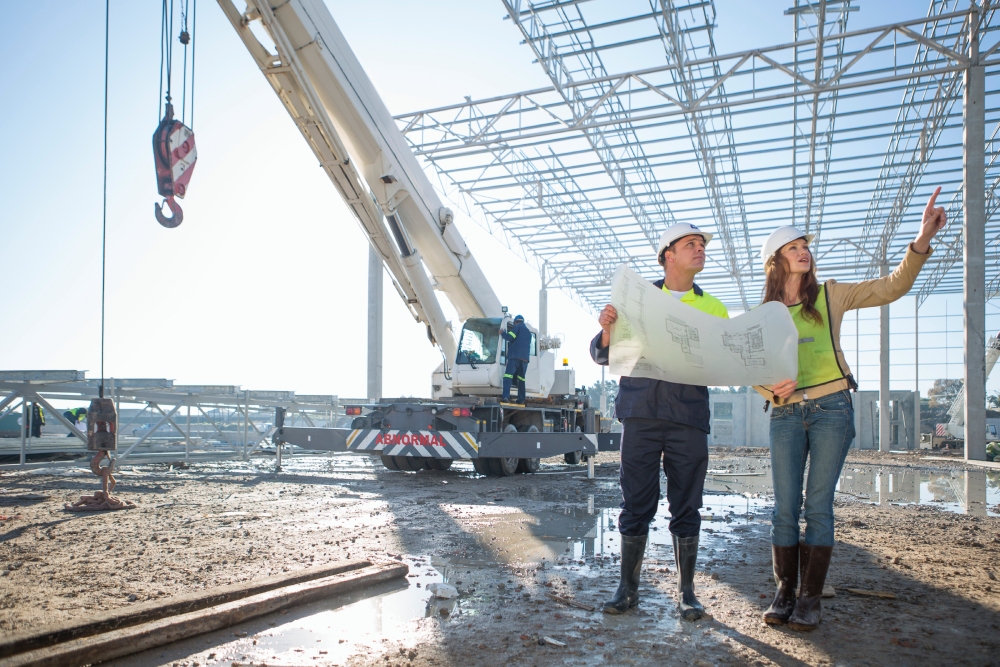
EPC contractors manage complete project lifecycles, from engineering design to procurement, construction, and commissioning. Widely used in oil, gas, power, and infrastructure, they ensure streamlined execution, technical precision, and compliance. Their single-point responsibility supports efficient, timely, and cost-effective project delivery.
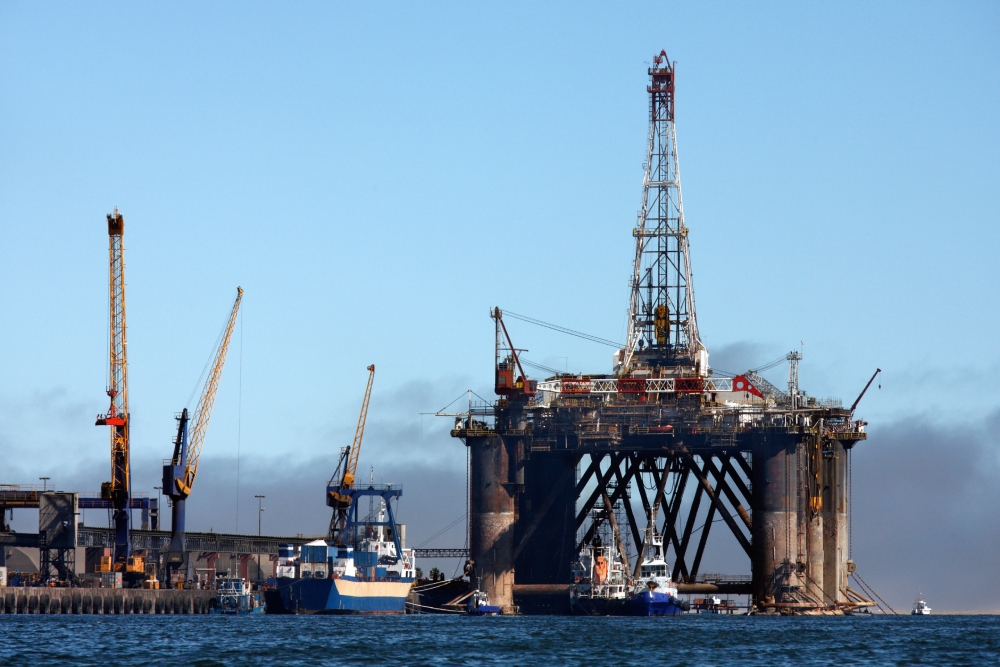
Rig supply and maintenance contractors support onshore and offshore drilling operations by providing equipment, spare parts, logistics, and repair services. Covering mechanical, electrical, and hydraulic systems, they ensure rigs operate safely, reduce downtime, and extend asset life while meeting industry standards.

These facilities supply clean, safe water by removing impurities and salts from raw or seawater using reverse osmosis, filtration, and chemical treatment. Essential for urban, agricultural, and industrial use, they prioritize efficiency, reliability, and compliance, especially in water-scarce regions worldwide.
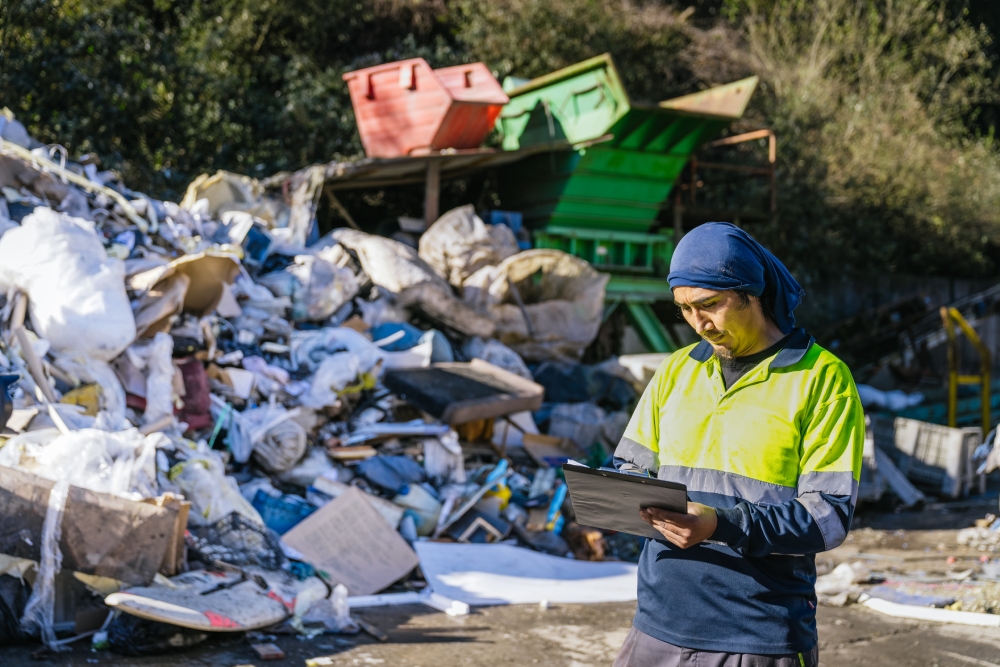
Waste management facilities process, recycle, and dispose of solid and liquid waste sustainably. With sorting centers, recycling plants, and incineration units, they reduce environmental impact and promote resource recovery. Modern systems integrate advanced technology for efficiency, supporting public health and circular economy goals.
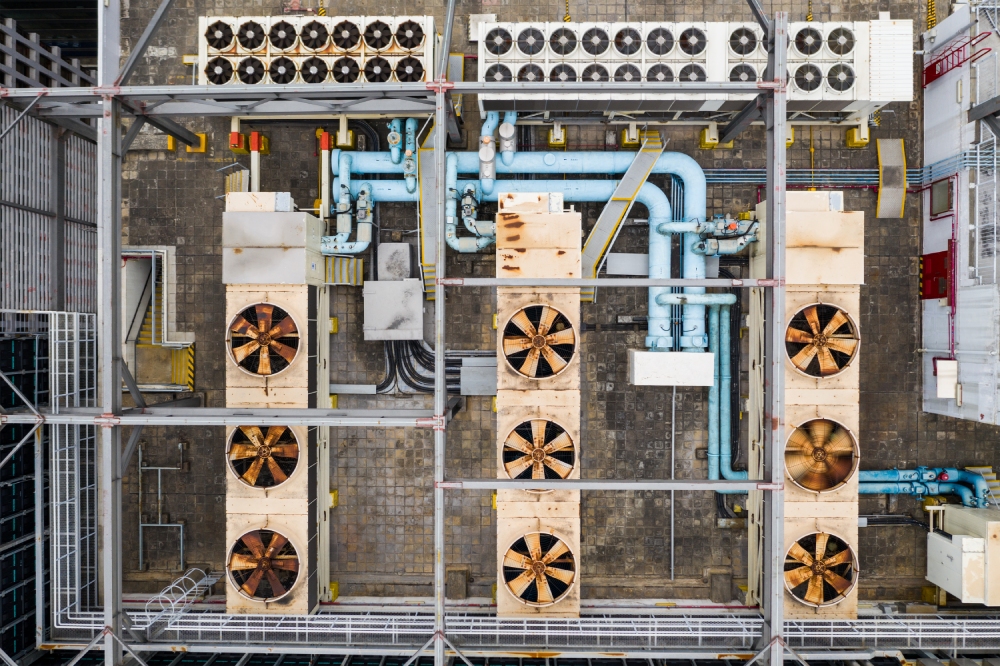
District cooling delivers chilled water from central plants through insulated networks to multiple buildings. Offering energy efficiency, cost savings, and reduced emissions, it supports sustainable urban development. Ideal for commercial, residential, and smart city projects, it ensures climate-resilient, green infrastructure solutions.